Planning a Beach Workout? Here's Why Tide Timing Actually Matters
Quick Answer: Low tide generally offers the best beach workout conditions — more exposed firm sand for running and stability work, though rising tide windows require more attention to timing and exit routes if you’re working near the shoreline.
Most beach workout guides focus on exercises and completely skip timing, which turns out to matter more than most people realize for both safety and how hard the workout actually feels.

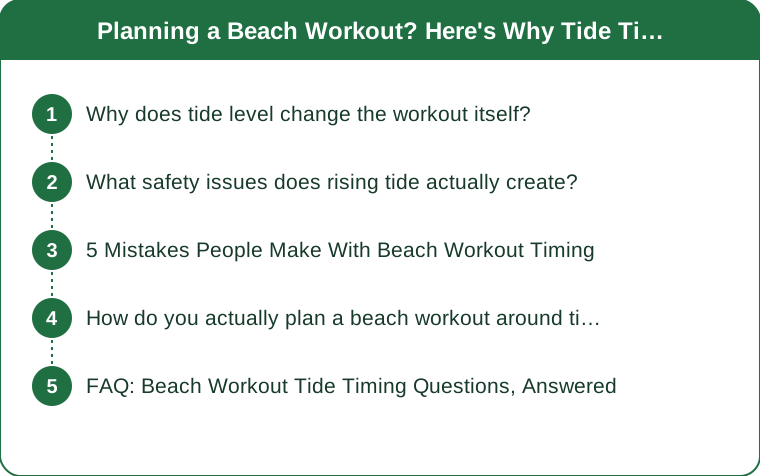
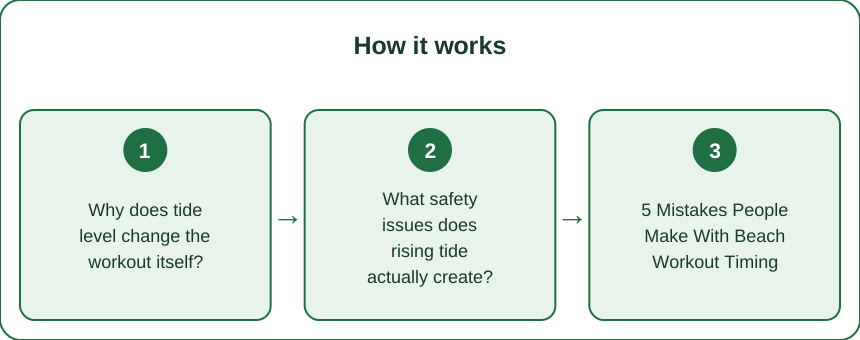
Why does tide level change the workout itself?
At low tide, more firm, packed sand near the waterline is exposed — this surface is easier to run and jump on with more predictable footing than the soft, loose sand higher up the beach.
At high tide, that firm strip disappears, pushing your workout onto soft dry sand, which is significantly more demanding on the calves and ankles — harder, but also a different (and more fatiguing) training stimulus than most people plan for.
What safety issues does rising tide actually create?
A rising tide window can cut off your exit route along a beach faster than expected, especially near rock formations, cliffs, or narrow coves — checking a tide chart before choosing your route matters more than checking it after you’re already out there.
Rip currents also tend to be more active around mid-tide transitions in many locations, which matters if your workout includes any water-based intervals or cool-down wading.

5 Mistakes People Make With Beach Workout Timing
1. Not checking the tide chart at all, assuming beach conditions are constant throughout the day.
2. Planning a route along a narrow beach without checking if rising tide cuts off the path back.
3. Assuming morning is automatically low tide — tide timing shifts daily and isn’t tied to time of day consistently.
4. Choosing soft, dry sand for speed work, which dramatically increases injury risk compared to the firmer wet-sand zone.
5. Skipping a check on local rip current advisories for coastal areas with water-adjacent intervals.
How do you actually plan a beach workout around tides?
Check a local tide chart or app the night before or morning of, and aim for a window within 1-2 hours of low tide for the most stable, exposed sand.
For routes along narrow beaches, confirm your planned path stays passable through your entire workout window, not just at the start — a 45-60 minute session can outlast a narrowing tide window if you don’t check the full timeline.
FAQ: Beach Workout Tide Timing Questions, Answered
Is low tide always safer than high tide for beach workouts?
Generally yes for footing and route stability, though local conditions (rip currents, cliff access) still need individual checking regardless of tide level.
How do I find tide times for my local beach?
Most coastal regions have free tide chart apps or NOAA/local tide authority websites with daily predictions specific to your beach.
Does tide timing affect running pace on sand?
Yes — firm low-tide sand allows a pace much closer to normal running, while soft high-tide sand can slow pace by 20-30% due to the added instability and effort.
TL;DR:
- Low tide exposes firmer sand, giving more stable footing for running and jumping
- Rising tide can cut off exit routes on narrow beaches — check timing before, not during
- Soft dry sand at high tide is more fatiguing and less predictable for speed work
- Check a tide chart for your full workout window, not just the start time
A quick tide check before you head out changes both how safe and how effective the session is.
See It in Motion
Seen here: High Waist Jogger Sweatpants with Pockets — shop it on bubblelime.com
Keep Reading
This article is for general informational and styling purposes only. Fit, sizing, and product availability may vary.