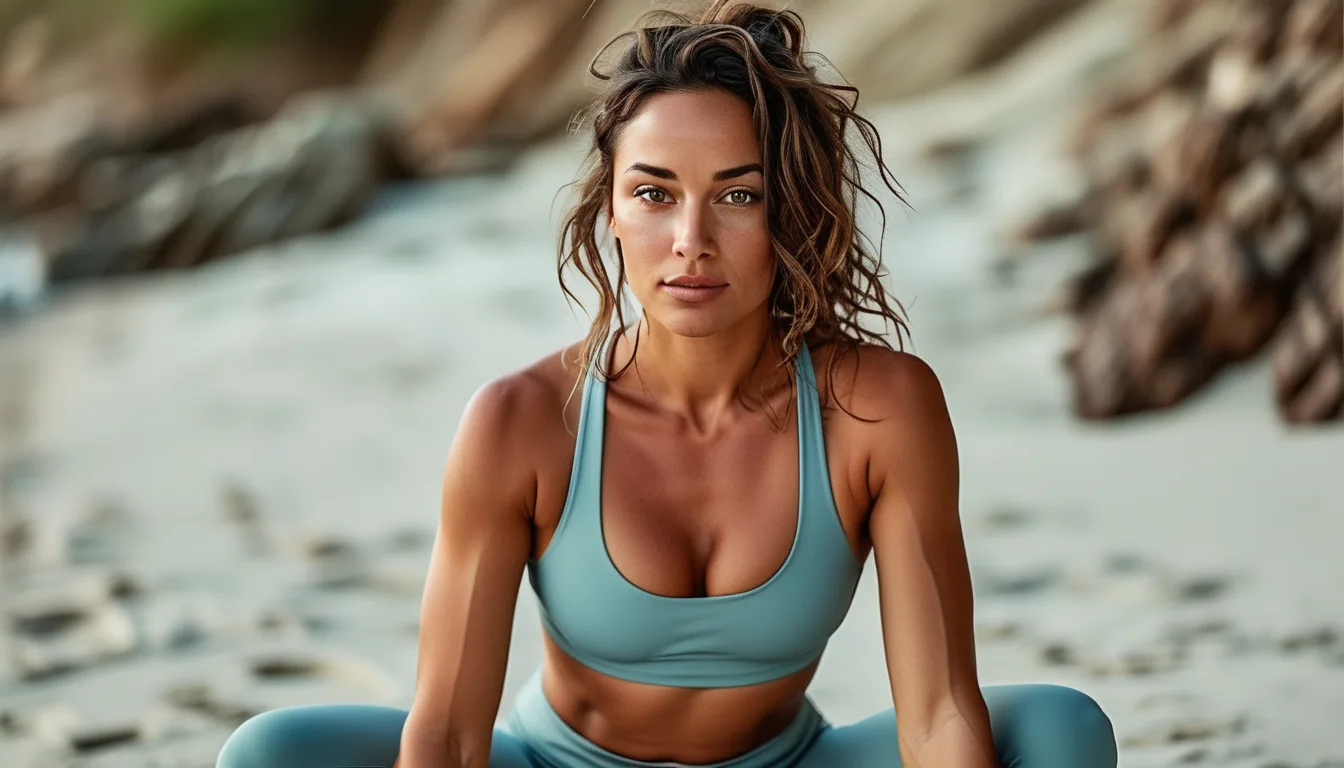
Paddleboard Workouts: A Beginner's Guide to Building Strength on Unstable Water
Quick Answer: Paddleboarding works your core, shoulders, and legs simultaneously because every stroke requires constant micro-balance adjustments on unstable water — it’s a genuine full-body workout, not just a scenic float. Start on calm, flat water with a wider beginner board before chasing waves or long distances.
Everyone’s photos make it look like a lazy floating hangout, but the burn in your abs and forearms the next morning tells a different story entirely.
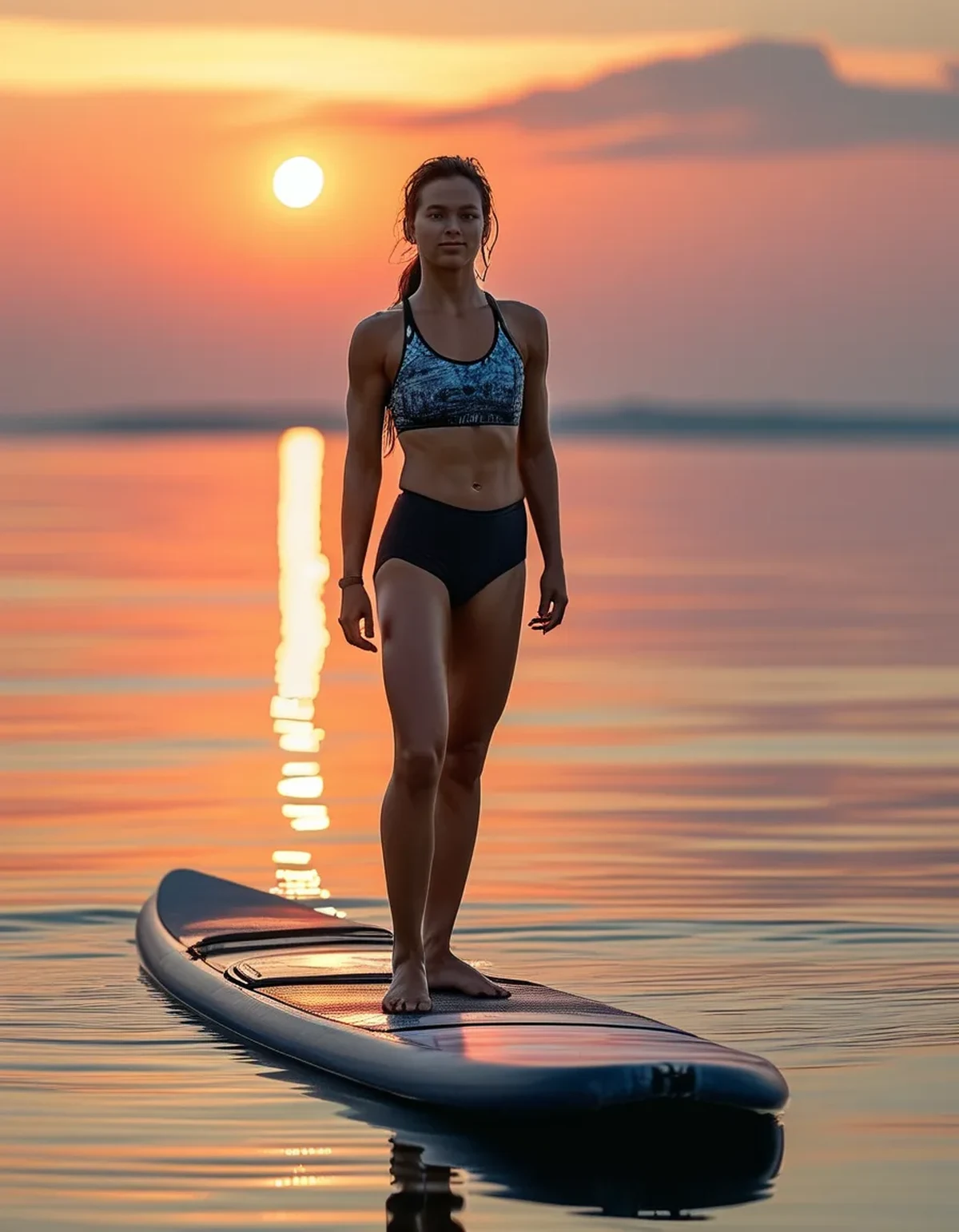
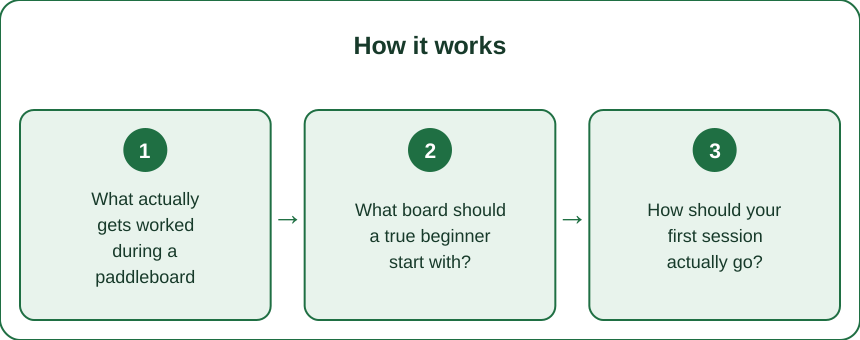
What actually gets worked during a paddleboard session?
Your core works continuously just to keep you upright, since the board is constantly shifting under your feet in a way a gym floor never does. Your shoulders and back drive each paddle stroke, and your legs and ankles make small stabilizing adjustments the whole time, even when you don’t notice it happening.
A 30-45 minute session at a moderate pace burns a comparable amount to a moderate cardio workout, but it rarely feels that intense in the moment because the water and scenery distract from the effort.
What board should a true beginner start with?
Choose a wider, longer, more stable board (often labeled beginner or all-around SUP) over a narrow performance board — stability matters far more than speed when you’re learning. Renting or borrowing before buying is a smart first move, since board preference is personal and hard to judge from a store shelf.
Inflatable boards have become a solid, stable option for beginners and are easier to transport and store than rigid boards if you plan to buy your own later. Most rental shops default to beginner-width boards anyway, so a first rental session is a low-risk way to test the sport before any purchase decision.
How should your first session actually go?
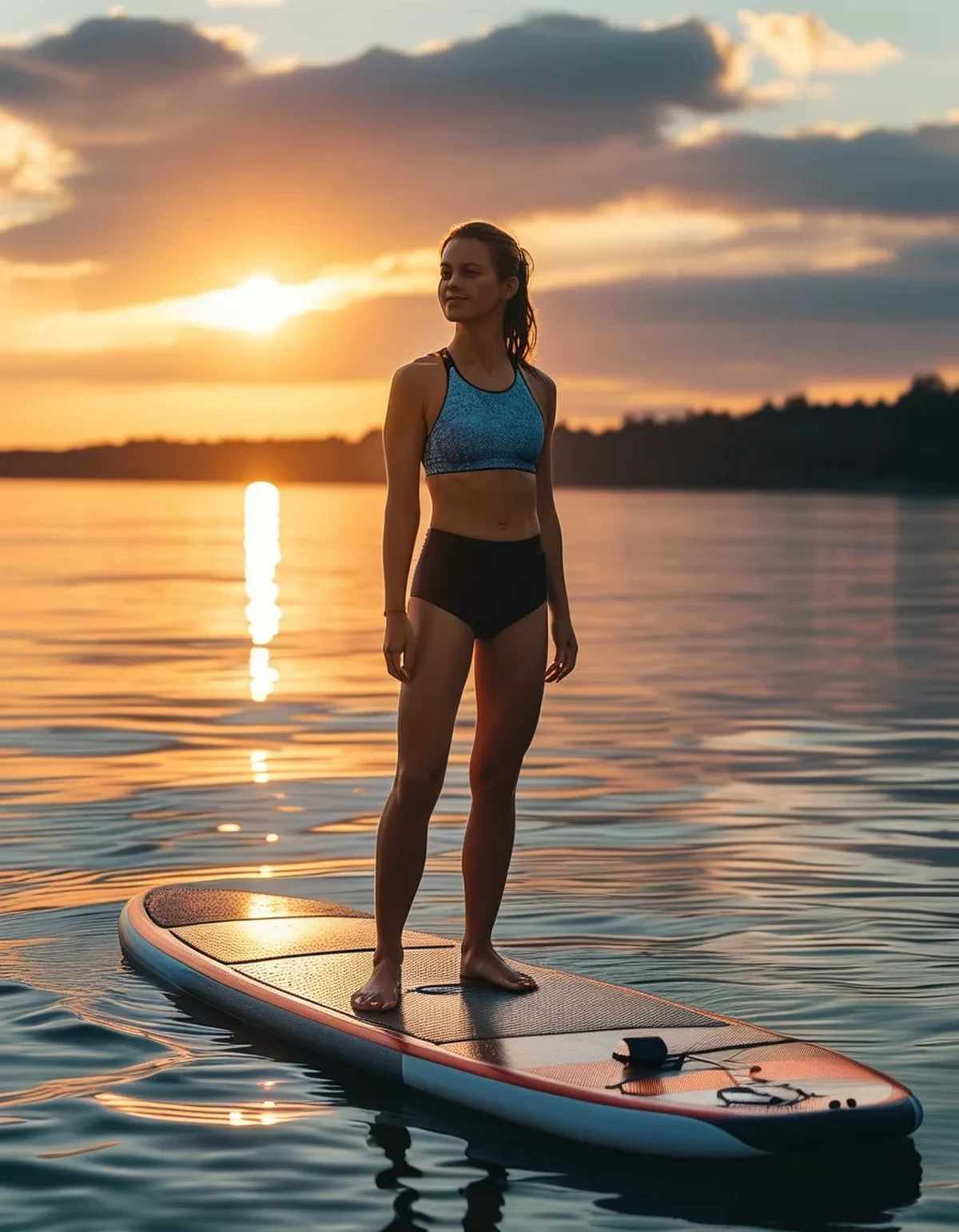
Start kneeling, not standing, to get a feel for balance and paddle technique before adding the challenge of standing upright. Once kneeling feels stable, stand up slowly with feet centered and hip-width apart, knees slightly bent, eyes on the horizon rather than your feet.
Calm, flat water — a bay, lake, or protected inlet — is far more forgiving for a first session than open ocean with waves or wind chop. Falling off is completely normal and expected during your first outing, so treat it as part of the learning process rather than a sign you’re doing something wrong.
5 Rookie Mistakes First-Timers Make
1. Looking down at your feet. This throws off balance more than almost anything else — keep your eyes on the horizon.
2. Standing with feet too close together. Hip-width apart gives a much wider, more stable base than feet touching.
3. Paddling with arms only. Rotating from your core and using your back muscles, not just your arms, both improves power and reduces fatigue.
4. Skipping the leash. A leash keeps the board attached to you if you fall, which matters for both safety and not chasing your board across the water.
5. Going out in windy or choppy conditions as a first try. Wait for a genuinely calm day for your first few sessions.
What Nobody Tells You About Paddleboard Fitness
Most people think the workout comes from paddling hard, but a huge amount of the actual strength benefit comes from passive stabilization — the constant small muscle firing just to stay upright, which happens even during a slow, relaxed paddle. This is why beginners are often surprised by soreness in their calves, ankles, and obliques the next day, areas they never intentionally trained.
It’s also a low-impact workout, which makes it a reasonable cross-training option for people managing joint pain from higher-impact activities.
FAQ: Paddleboard Workout Questions, Answered
Do I need to know how to swim to paddleboard?
Yes, basic swimming ability is generally recommended for safety, along with wearing a leash and, ideally, a personal flotation device depending on local regulations and water conditions.
How often would I need to paddleboard to see fitness benefits?
Even 1-2 sessions a week of 30-45 minutes can build noticeable core and shoulder endurance over a few weeks, especially for beginners starting from a lower baseline.
Is paddleboarding good for people with knee or joint issues?
It’s generally considered low-impact and joint-friendly compared to running or jumping activities, but check with a doctor if you have a specific joint condition before starting.
How soon can I expect to feel comfortable standing the whole session?
Most beginners feel noticeably more stable by their second or third session, and comfortably confident standing for a full session within a handful of outings on calm water.
TL;DR:
- Paddleboarding works core, shoulders, and legs through constant balance demands, not just paddling effort
- Start on a wide, stable beginner board on calm, flat water
- Kneel first, then stand slowly with feet hip-width apart and eyes on the horizon
- Passive stabilization, not just paddling power, is where most of the workout benefit comes from
Book a beginner rental on a calm day and expect sore obliques you didn’t know you had.
See It in Motion
Seen here: Yoga Jogger Sweatpants with Pockets — shop it on bubblelime.com
Keep Reading
This article is for general informational and styling purposes only. Fit, sizing, and product availability may vary.