How to Get Sand-Training Benefits Without Living Near a Beach
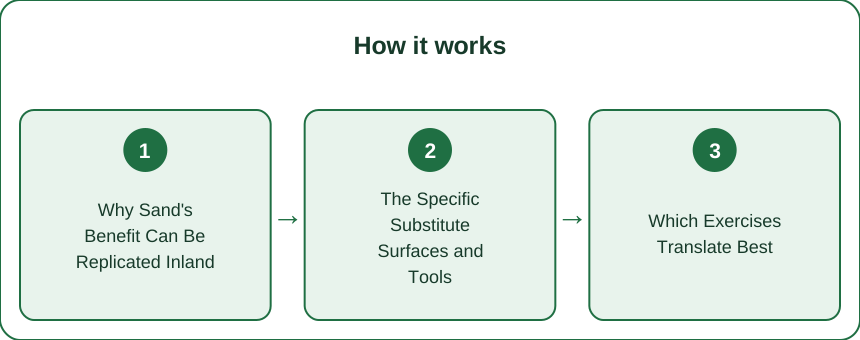
The appeal of sand training — extra resistance, joint-friendly instability, full lower-body engagement — doesn’t require an actual beach, even though most articles about it assume you have one nearby. The mechanism is unstable, yielding ground, and there are several ways to recreate that inland. Here is why the benefit can be replicated, the specific substitute surfaces and tools, and which exercises translate best.
Why Sand’s Benefit Can Be Replicated Inland
The mechanism, isolated: the the-actual-benefit-is-surface-instability (the sand’s core training effect coming from its yielding, unstable surface demanding constant small stabilizing adjustments — the instability-is-the-mechanism-not-the-sand-itself), the the-resistance-comes-from-yielding-ground (the ground giving way slightly under each step forcing extra muscular effort to push off — the yielding-ground-adds-resistance-to-every-step), the the-joint-friendliness-is-about-give (the sand’s softness reducing impact compared to pavement, a quality shared by other soft or yielding surfaces from the sand-running-benefits-guide logic — the softness-not-sand-specifically-protects-joints), the the-any-substrate-with-similar-properties-works (the any surface sharing sand’s instability-plus-give profile delivering a comparable training stimulus — the properties-transfer-not-just-the-material), the the-beach-adds-context-not-exclusivity (the beach setting adding pleasant context and open space, but not a unique physiological property unavailable elsewhere — the beach-is-nice-not-necessary), and the reframe (the sand-training benefit as fundamentally about instability and give, both of which are replicable through several accessible inland substitutes).
The Specific Substitute Surfaces and Tools
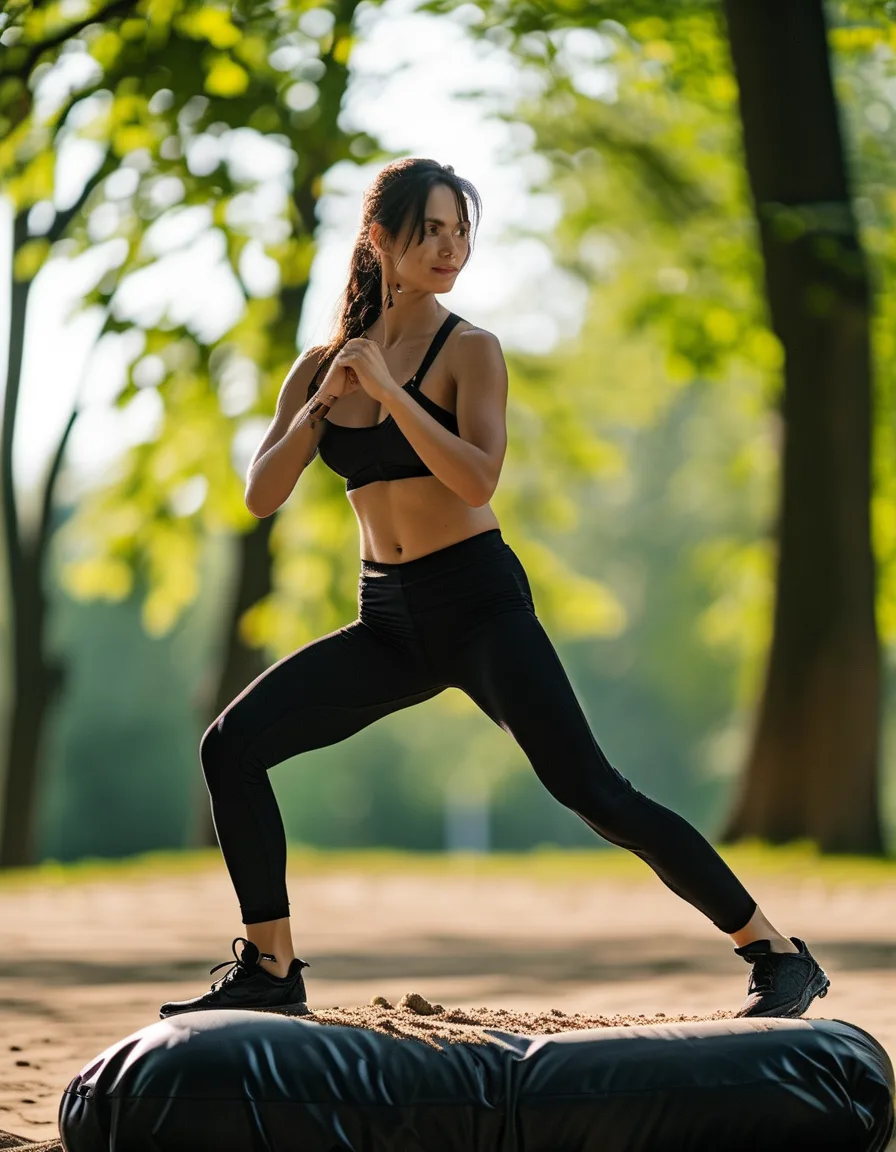
What actually works: the thick-grass-or-turf-fields (the uneven, slightly yielding grass surfaces offering a comparable instability challenge to sand — the the-easiest-free-substitute), the the-balance-pads-and-foam-mats (the dedicated foam balance pads recreating sand’s give in a controlled, gym-friendly format — the portable-and-controllable), the the-sandbags-and-weighted-instability-tools (the training with a shifting sandbag adding an internal instability challenge even on stable ground — the instability-in-the-load-not-just-the-ground), the the-loose-mulch-or-woodchip-paths (the soft park trail surfaces offering give similar to sand for walking or running work — the park-trails-are-underrated), the the-water-as-an-alternative-instability-source (the shallow water providing a different but related unstable, resistance-adding medium from the aqua-fitness logic — the water-is-a-different-flavor-of-the-same-idea), and the frame (the substitute list as thick grass, foam balance pads, sandbags, mulch trails, and shallow water — several accessible ways to recreate sand’s core training properties without a coastline).
Which Exercises Translate Best
What to prioritize: the lunges-and-single-leg-work (the single-leg-dominant movements benefiting most from an unstable surface’s stabilization demand — the single-leg-work-gets-the-biggest-instability-payoff), the the-lateral-shuffles-and-agility-drills (the side-to-side movement patterns translating well from sand to grass or turf specifically — the lateral-movement-transfers-cleanly), the the-walking-and-jogging-intervals (the simple locomotion on a yielding surface providing the resistance-and-joint-friendly benefit with minimal skill needed — the simplest-and-most-direct-transfer), the the-sandbag-carries-and-squats (the sandbag-specific instability adding a load-based version of the same challenge, usable indoors year-round — the works-regardless-of-outdoor-access), the the-core-work-on-a-balance-pad (the planks and core holds on an unstable pad amplifying the stabilization demand similarly to standing on sand — the core-work-scales-well-to-a-pad), and the frame (the best-translating exercises as single-leg work, lateral shuffles, simple locomotion intervals, sandbag carries, and pad-based core work — the specific movements that most directly benefit from instability, regardless of where the instability comes from).
Sand training’s real benefit is instability and yielding ground, not the sand itself — any surface or tool sharing those two properties delivers a comparable stimulus, which means thick grass fields, foam balance pads, shifting sandbags, soft mulch park trails, and even shallow water all work as legitimate inland substitutes. The exercises that translate best are single-leg-dominant movements like lunges, which benefit most from added stabilization demand, lateral shuffles and agility drills, simple walking or jogging intervals, sandbag carries and squats that work indoors year-round, and core holds performed on a balance pad. A beach adds pleasant scenery and open space, but the actual training mechanism travels perfectly well inland.
See It in Motion
Seen here: Racerback Tank Top - White — shop similar styles on bubblelime.com
Keep Reading
This article is for general informational and styling purposes only. Fit, sizing, and product availability may vary.