You Don't Need a Beach for Sand Training — Here's the Indoor Equivalent That Works
Quick Answer: Sand’s real benefit is the unstable, energy-absorbing surface that forces extra stabilizer engagement — you can replicate 70-80% of that with a foam balance pad, thick gym mat stacking, or a BOSU ball, no beach required.
You read that sand training torches more calories and builds serious ankle and stabilizer strength, but you live nowhere near a coastline. Good news: the mechanism that makes sand effective isn’t the sand itself — it’s the instability — and you can manufacture that indoors starting today.

What actually makes sand training effective?
It’s the surface instability and energy absorption, not sand specifically. Every step sinks slightly and shifts, forcing your stabilizer muscles — ankles, feet, hips — to work overtime compared to solid ground. That extra recruitment is what drives the higher calorie burn and strength gains people notice at the beach.
Any surface that mimics that give-and-shift can trigger a similar adaptation.
What indoor surfaces come closest to sand?
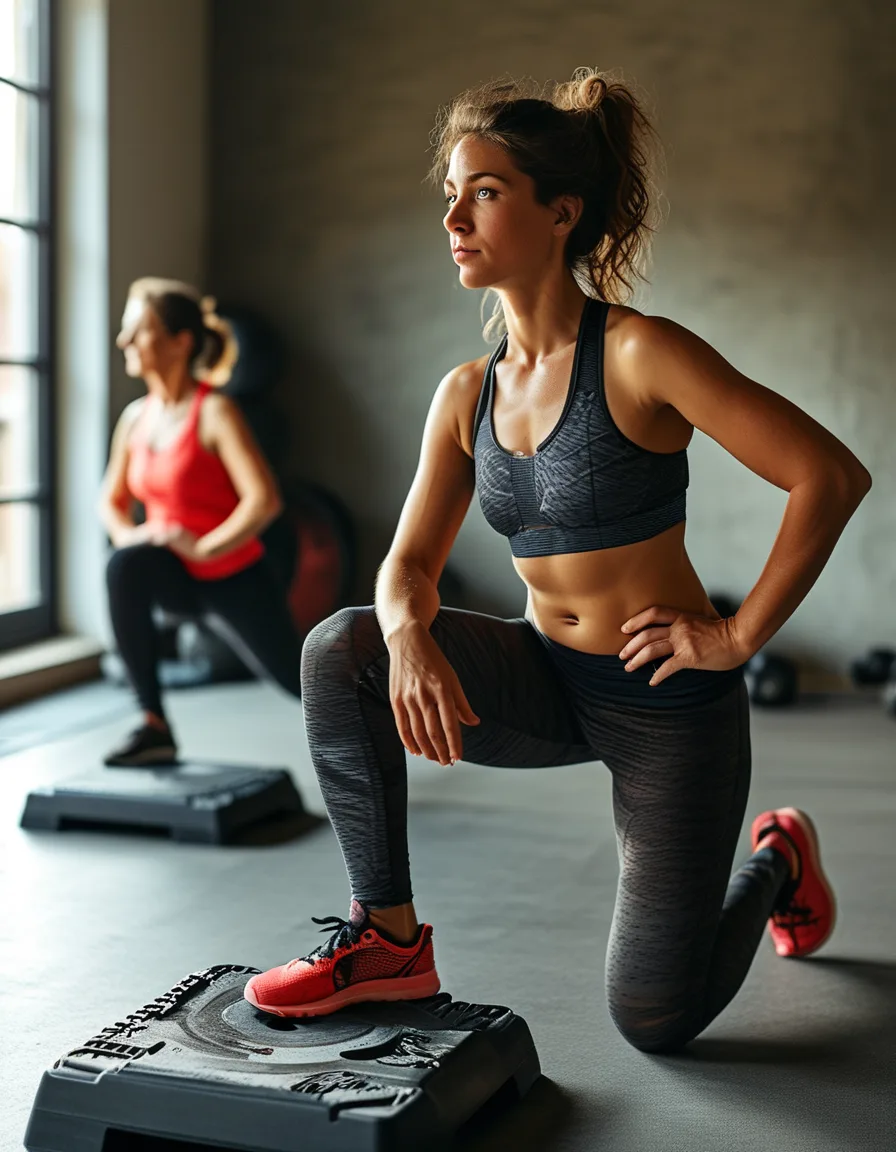
A foam balance pad or BOSU ball (dome-down) is the closest replica — both destabilize your base of support in a comparable way. A thick folded gym mat or two stacked yoga mats is a lower-cost option that still adds meaningful instability versus bare floor.
Aim for 3-4 sets of 10-12 reps per exercise on the unstable surface before progressing to more dynamic movements like lunges or single-leg work.
Can I get the sand-training calorie burn indoors too?
Largely yes — studies on unstable-surface training show elevated stabilizer muscle activation and energy expenditure similar to soft-surface effects, even without actual sand. The instability is the active ingredient; the beach is just one delivery method.
Myth vs Fact: Sand Training Edition
Myth: You need an actual beach to get sand-training benefits. Fact: any sufficiently unstable, forgiving surface triggers the same stabilizer-heavy adaptation.
Myth: Sand training is only for runners. Fact: the biggest carryover is to ankle stability and injury resilience for any sport or daily movement.
Myth: More instability is always better. Fact: too much instability too soon (a wobbly BOSU under a heavy squat, for example) increases injury risk rather than building strength — the third mistake even fit people make when they skip a proper progression.
How do I progress safely on unstable surfaces?
Start with static holds (single-leg stance, 20-30 seconds) before adding movement. Progress to bodyweight squats and lunges on the unstable surface next, and only add dynamic jumps or weighted work once balance feels genuinely solid, usually after 2-3 weeks.
FAQ: Indoor Sand Training Alternative Questions, Answered
Is a BOSU ball worth buying for this?
If you want the closest replica and plan to use it regularly, yes — it’s a one-time cost that covers dozens of exercise variations.
How often should I do unstable-surface training?
2-3 times per week is enough to build meaningful stabilizer strength without overtraining joints still adapting to the new demand.
Will this actually help if I do go to the beach later?
Yes — the stabilizer strength and balance built indoors transfers directly, so beach sessions will feel noticeably easier and safer from day one.
TL;DR:
- Sand’s benefit comes from instability, not the sand itself
- A BOSU ball, foam pad, or stacked mats replicate 70-80% of the effect
- Start with static holds, progress to squats/lunges, then dynamic work over 2-3 weeks
- 2-3 sessions per week builds real stabilizer strength without a beach in sight
Set up an unstable surface in your living room tonight and try single-leg holds for two minutes — that’s the exact stimulus you were told you needed a coastline for.
See It in Motion
Seen here: UPF 50+ Short Sleeve Rashguard Swim Shirt — shop it on bubblelime.com
Keep Reading
This article is for general informational and styling purposes only. Fit, sizing, and product availability may vary.